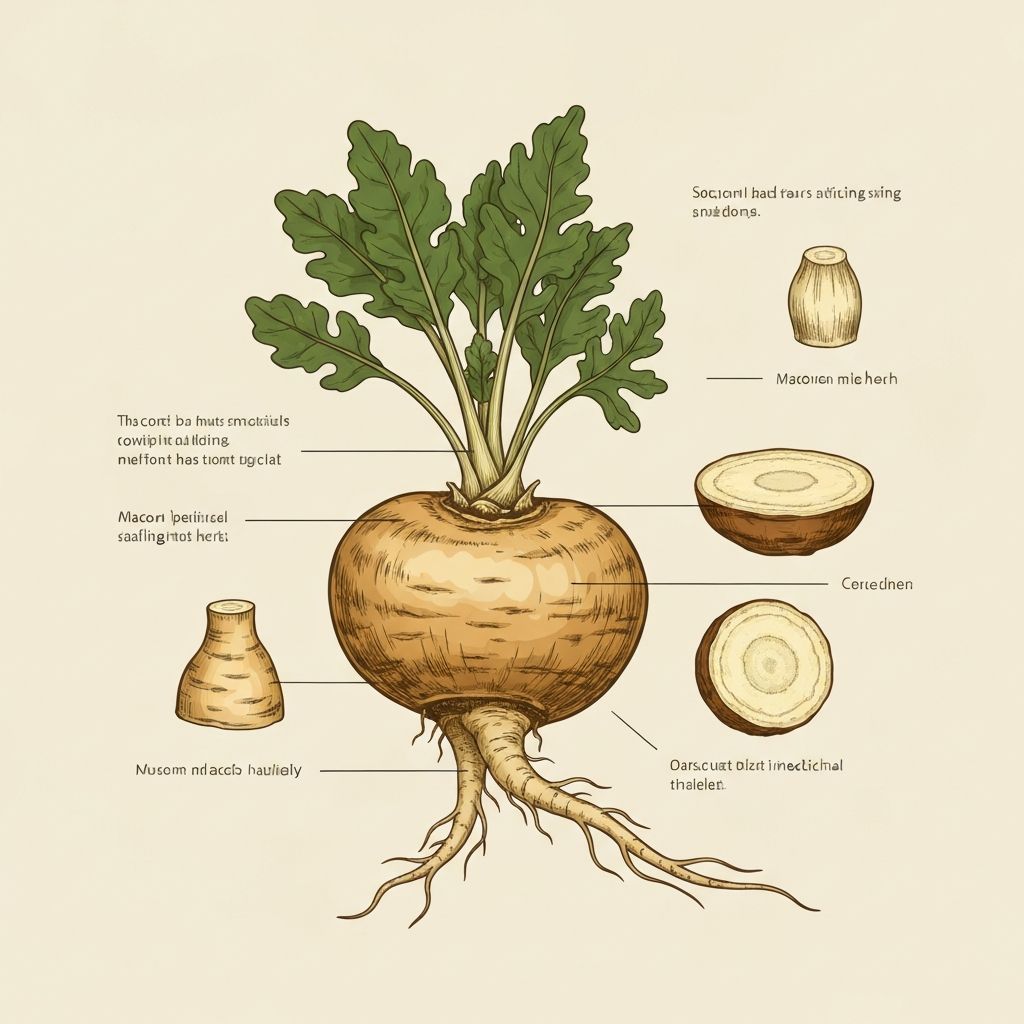
Maca Root Extract
Scientific Name: Lepidium meyenii
Origin: Peruvian Andes
Maca is a root vegetable traditionally used in South American cultures for centuries. Modern research explores its bioactive compounds and potential role in supporting general vitality and energy.
Key Information:
- Contains glucosinolates and alkaloid compounds studied for adaptogenic properties
- Traditionally prepared as powder or in teas for general wellness support
- Research suggests potential role in energy levels and mood, though individual responses vary
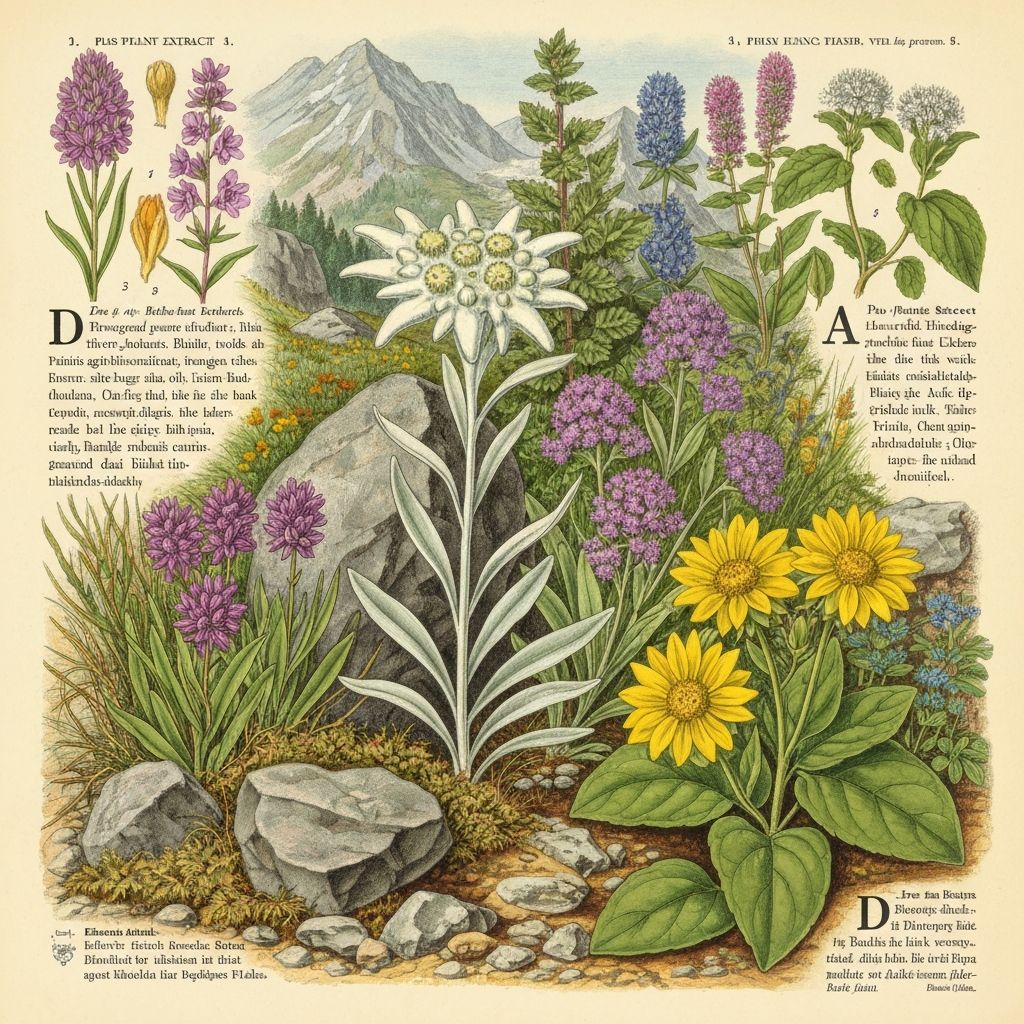
Alpine Edelweiss Compounds
Scientific Name: Leontopodium nivale
Region: Swiss and European Alpine regions
Edelweiss is a mountain flower with deep historical significance in Alpine traditional medicine. It contains bioactive compounds of interest to researchers studying natural wellness support.
Key Information:
- Contains phenolic compounds and alkaloids with antioxidant characteristics
- Historically used in Alpine teas for general vitality support
- Modern research explores its potential role in supporting natural energy and cellular health
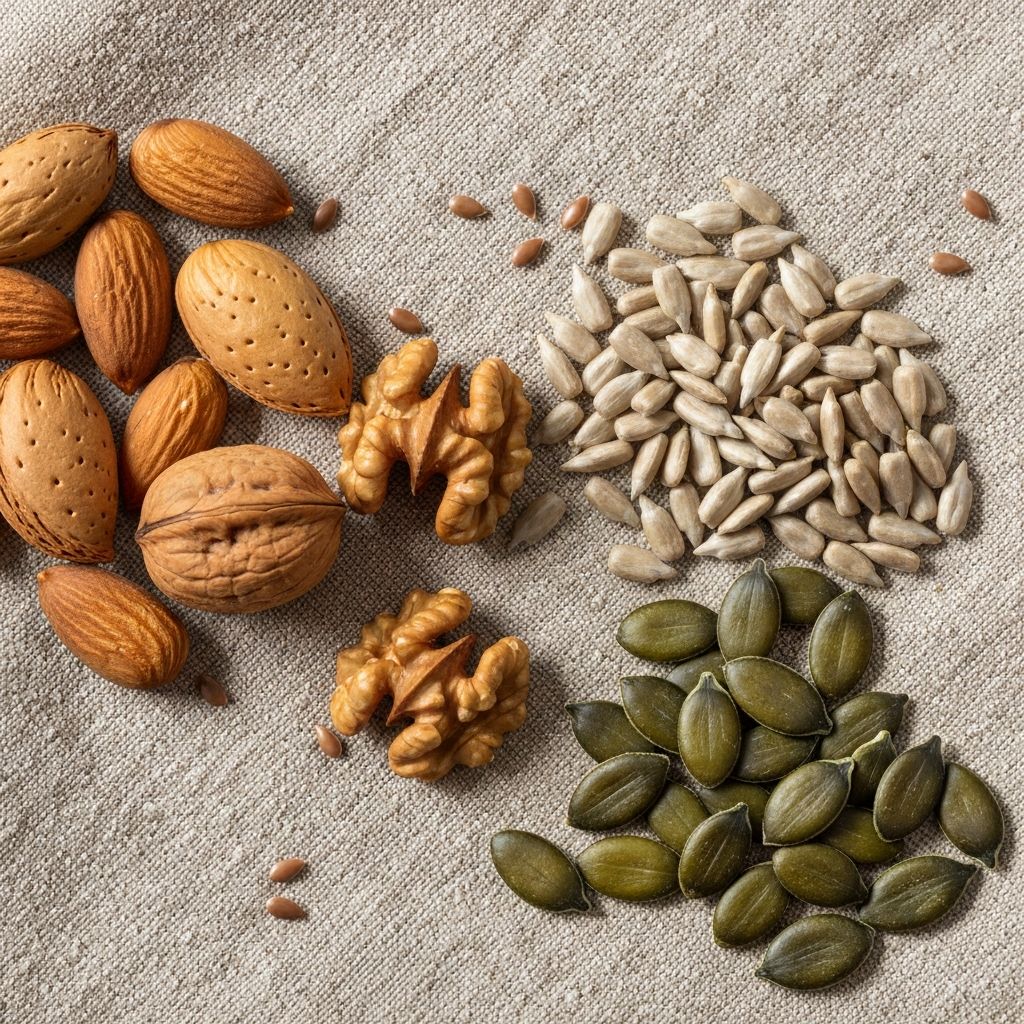
Zinc & Magnesium Blend Profile
Micronutrients: Essential minerals for metabolic function
Natural Sources: Diverse food groups
Zinc and magnesium are essential minerals that work synergistically in human physiology. Both are critical for energy production, immune function, and muscle health.
Key Information:
- Zinc supports immune function and protein synthesis; found in oysters, beef, seeds
- Magnesium regulates muscle contraction and ATP production; abundant in spinach, almonds, legumes
- Combined role in supporting sustained energy and physical recovery
Vitamin D from Natural Sources
Type: Fat-soluble vitamin
Key Sources: Sunlight exposure, fatty fish, fortified foods
Vitamin D is crucial for bone health, immune function, and mood regulation. The body can synthesize it from sunlight exposure, and it's also available from dietary sources.
Key Information:
- Sunlight exposure triggers vitamin D synthesis in skin cells
- Fatty fish (salmon, mackerel) provide bioavailable vitamin D
- Essential for calcium absorption and bone strength maintenance

Ginseng Root Overview
Scientific Name: Panax ginseng
Origin: Asia, widely cultivated
Ginseng is a traditional medicinal root used in Asian wellness practices for thousands of years. Modern research explores its role in supporting energy, mental clarity, and physical resilience.
Key Information:
- Contains ginsenosides, compounds studied for adaptogenic and energizing properties
- Traditionally consumed as tea, extract, or supplement in Asian cultures
- Research suggests potential support for energy levels, concentration, and general vitality

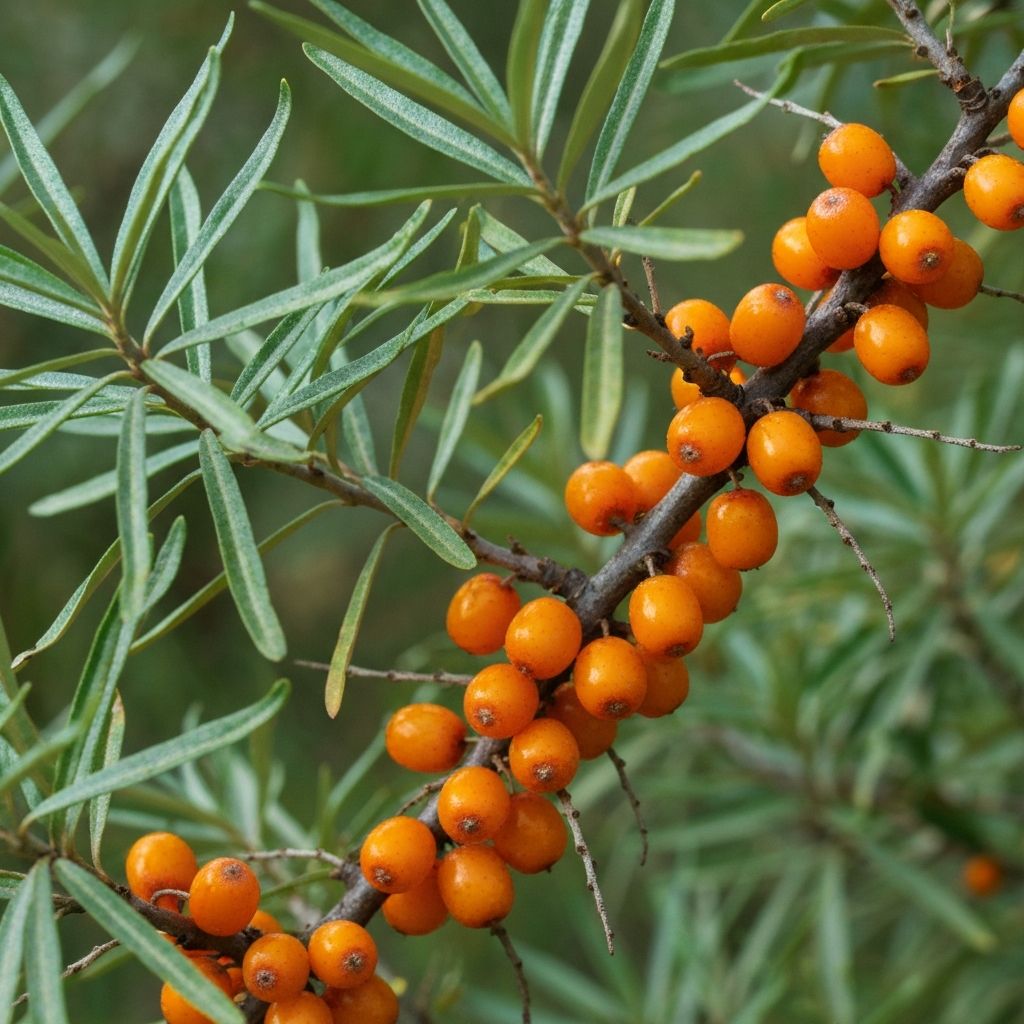
Sea Buckthorn Berry Nutrients
Scientific Name: Hippophae rhamnoides
Region: Alpine and Nordic regions
Sea buckthorn is an alpine berry rich in vitamins and bioactive compounds. It's valued in Nordic wellness traditions for its nutrient density and potential role in supporting overall health.
Key Information:
- Exceptionally high in vitamin C, supporting immune and collagen synthesis
- Contains palmitoleic acid, an omega-7 fatty acid with potential skin and systemic health benefits
- Traditionally consumed as juice, oil, or in teas for general wellness support