An independent educational resource exploring how natural nutrients, balanced lifestyle, and evidence-based practices support men's energy and well-being.
Natural nutrients are bioactive compounds found in plant-based sources, minerals, and vitamins that play significant roles in human metabolism and daily function. Understanding their general characteristics and traditional uses helps contextualize wellness conversations.
This resource provides factual information about:
Purpose: This site explains, not advises. Content is informational, not a substitute for personal research or professional consultation.
Sleep is fundamental to human physiology. During sleep, the body undergoes essential restorative processes: muscle repair, hormone regulation, immune function, and cognitive consolidation.
Consistent, quality sleep is linked to sustained energy, mental clarity, and physical resilience throughout the day.

Simple, evidence-based routines support sustained energy and physical resilience:
Water is essential for nutrient transport, thermoregulation, and cognitive function. Dehydration directly impacts energy and concentration.
Short periods of light activity—walking, stretching—maintain circulation and prevent energy dips throughout the day.
Controlled breathing increases oxygen delivery to tissues and activates the parasympathetic nervous system, promoting calm alertness.
Consistent eating patterns stabilize blood glucose and energy levels throughout the day.
Simple bodyweight movements and stretching support muscle tone, joint health, and overall functional capacity.
Consistency matters more than intensity. Even 15–20 minutes of light activity daily supports sustained well-being.
Balanced nutrition means consuming diverse food groups that provide essential macronutrients (carbohydrates, proteins, fats) and micronutrients (vitamins, minerals). Each group contributes to different biological functions.
Macronutrient Balance
Proteins, carbohydrates, and healthy fats work synergistically for energy and cellular function.
Plant Diversity
Colorful vegetables provide fiber, phytonutrients, and micronutrients essential for metabolic health.
Micronutrient Density
Berries, nuts, and seeds offer concentrated vitamins, minerals, and bioactive compounds.
Micronutrients are vitamins and minerals needed in small quantities but essential for countless biological processes. The table below outlines common micronutrients, their natural sources, and general functions:
| Micronutrient | Natural Sources | General Functions |
|---|---|---|
| Vitamin B Complex | Whole grains, leafy greens, legumes, eggs | Energy metabolism, nervous system function, red blood cell formation |
| Vitamin D | Sunlight exposure, fatty fish, fortified dairy, mushrooms | Bone health, immune function, calcium absorption |
| Zinc | Oysters, beef, pumpkin seeds, chickpeas, cashews | Immune support, protein synthesis, wound healing, enzyme function |
| Magnesium | Spinach, almonds, pumpkin seeds, dark chocolate, legumes | Muscle function, energy production, bone health, nervous system regulation |
| Iron | Red meat, spinach, lentils, fortified cereals | Oxygen transport, energy metabolism, immune function |
| Potassium | Bananas, sweet potatoes, beans, spinach | Fluid balance, heart function, muscle contraction |
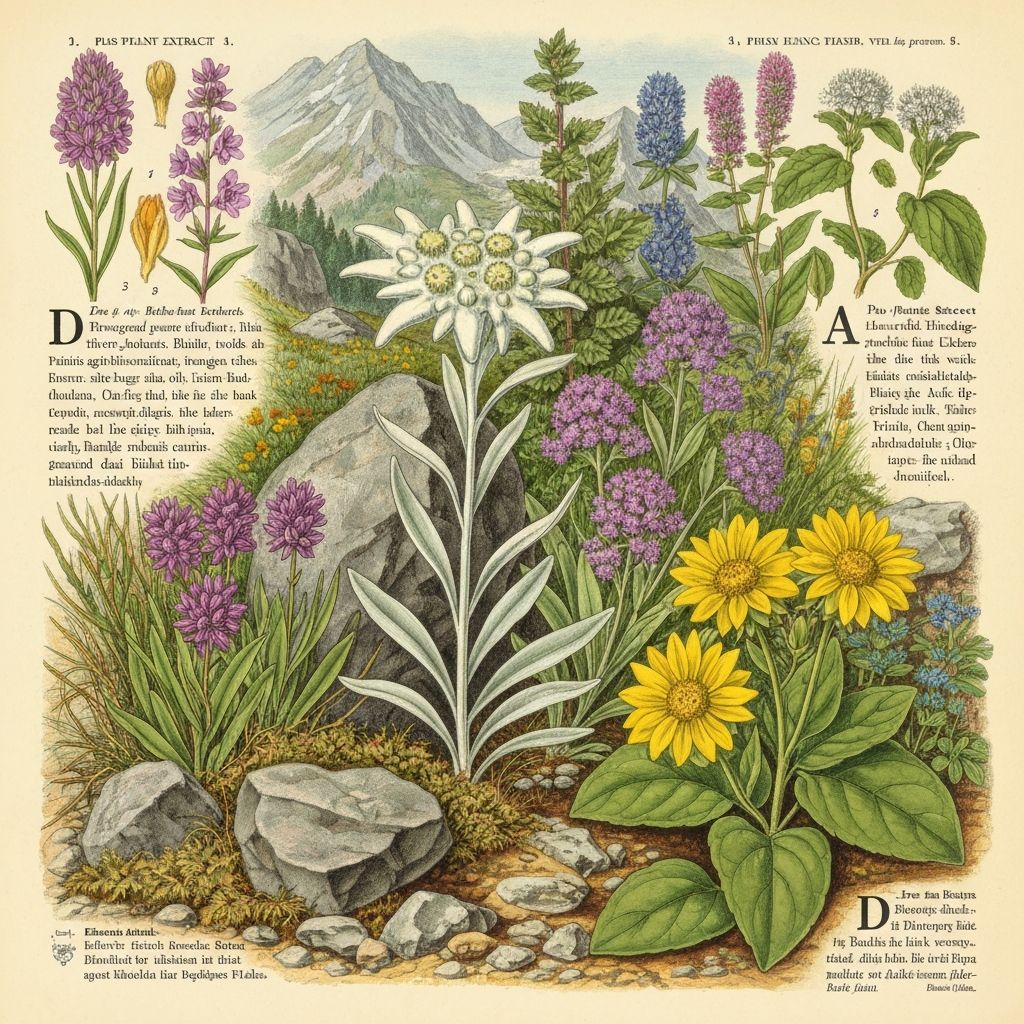
Alpine and traditional medicine systems have used certain plant extracts for centuries. While modern science continues to study these compounds, understanding their historical context and traditional applications provides useful educational perspective:
A mountain plant revered in Alpine folk tradition, historically used in teas for general wellness support. Contains compounds studied for antioxidant and anti-inflammatory properties in scientific research.
Used in traditional Alpine medicine for muscle recovery and comfort. Modern studies explore its bioactive compounds and their role in inflammation management.
Recovery is not passive rest but an active process that includes light activity, proper nutrition, and mental downtime. Understanding recovery principles helps maintain sustainable energy:
Integration: Combining these elements creates sustainable daily recovery routines that maintain long-term vitality.
Vitamins are organic compounds produced by plants or animals, while minerals are inorganic substances derived from soil and water. Both are essential micronutrients, but they have different chemical structures and biological roles. Vitamins can be broken down by heat or air, while minerals are more stable.
Most adults need 7–9 hours of quality sleep per night for optimal health and function. However, individual needs vary based on genetics, activity level, age, and overall health. Consistency and sleep quality matter as much as total duration.
Natural sources of zinc include oysters, beef, pumpkin seeds, cashews, chickpeas, and fortified cereals. Plant-based sources like legumes and seeds contain zinc but also contain phytates that can reduce absorption. Pairing these with vitamin C enhances zinc uptake.
Magnesium is a cofactor in ATP synthesis, the energy currency of cells. Without adequate magnesium, cells cannot efficiently produce or use energy. Additionally, magnesium regulates muscle function and nervous system activity, both essential for sustained vitality.
Lifestyle factors—sleep, movement, nutrition, stress management—have profound effects on health and energy. Research consistently shows that consistent improvements in these areas correlate with better physical and mental well-being. However, results vary individually, and professional guidance is recommended for specific health concerns.
Interested in deeper exploration? Below are neutral, reputable scientific and educational resources on nutrition, physiology, and wellness:
Free access to peer-reviewed biomedical and life sciences journal articles on nutrition and health.
Evidence-based research on natural compounds, dietary supplements, and lifestyle interventions.
Official health recommendations on nutrition, sleep, and physical activity from world health authorities.
Peer-reviewed research on evidence-based nutrition strategies and micronutrient supplementation.
This website provides general educational information about natural nutrients, lifestyle factors, and well-being. It is not medical advice, diagnosis, treatment, or professional health guidance.
Health outcomes depend on genetics, current health status, lifestyle context, and individual factors. What applies generally may not apply to your specific circumstances. Always consult with a qualified healthcare provider for personal health decisions.
For any specific health concerns, please consult with a qualified medical professional.